
RBI Raises Repo Rate to 5.50%; Loans May Get Costlier
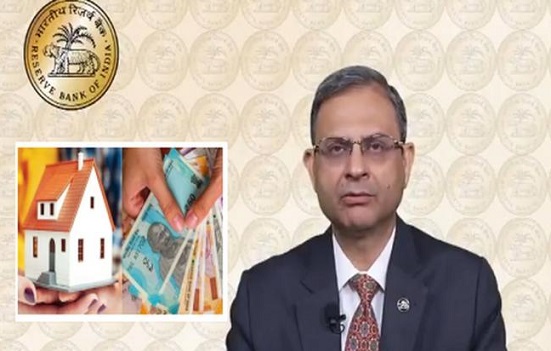
Pimpri / Mumbai : The Reserve Bank of India (RBI) has increased the repo rate by 25 basis points, taking it from 5.25 per cent to 5.50 per cent. RBI Governor Sanjay Malhotra announced the decision after the three-day meeting of the Monetary Policy Committee (MPC).
The rate hike is expected to increase borrowing costs for customers if banks raise their lending rates. Home loans, car loans, personal loans and other floating-rate loans could become more expensive, potentially increasing monthly EMIs for borrowers.
The RBI had kept the repo rate unchanged at 5.25 per cent in its previous policy meetings held in April, June and August.
The latest decision comes amid concerns over rising crude oil prices and inflation. The ongoing conflict in West Asia has also increased uncertainty over global energy prices.
Governor Malhotra said the MPC had reviewed the domestic and global economic situation, including rising energy and commodity prices, before deciding to increase the policy rate.
What does the repo rate mean ?
The repo rate is the interest rate at which the RBI lends short-term money to commercial banks. When the repo rate rises, banks’ borrowing costs can increase, which may lead them to raise interest rates on loans.
For borrowers, the impact will depend on how individual banks adjust their lending rates following the RBI’s decision.