Ajit Pawar Crash : CCTV Footage Denied Under RTI
BCAS rejects appeal; Mumbai Police cite privacy concerns over footage of route to airport
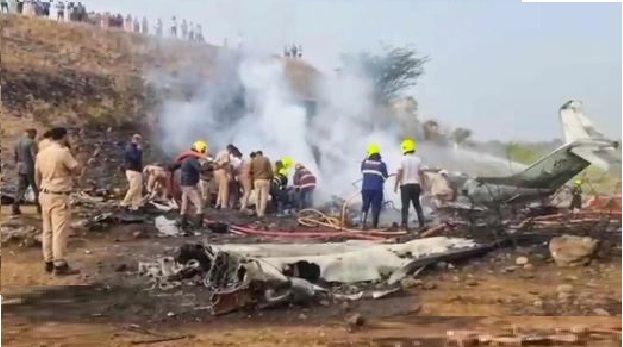
Pune : Central and state government agencies have refused to share CCTV footage linked to late Deputy Chief Minister Ajit Pawar’s final journey to Mumbai airport, despite an RTI applicant seeking the recordings to address public concerns surrounding his fatal plane crash.
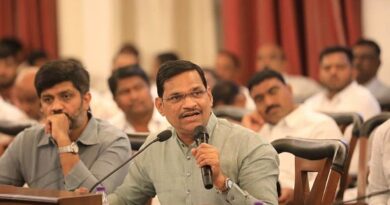
Baramati-based advocate Nitin Yadav, who sought CCTV footage from Mumbai airport and the route connecting Pawar’s official residence, Devgiri bungalow, to the airport, said both central and state authorities had denied access to the information.
The Bureau of Civil Aviation Security (BCAS) rejected Yadav’s first appeal under the Right to Information (RTI) Act, stating that CCTV footage could not be provided to ordinary citizens. The bureau also informed him that the recordings had been handed over to the police for investigation.
Yadav had initially sought CCTV footage from Mumbai airport between 6 am and 9 am on January 28, 2026, through an application to the Union government’s civil aviation department. After the request was denied, he approached the BCAS through a first appeal, which was also rejected.
In a separate application, Yadav sought CCTV recordings of Pawar’s journey from Devgiri bungalow to Mumbai International Airport. Mumbai Police refused to provide the footage, citing that the information was neither related to public activity nor public interest. The police also expressed concerns that disclosure could violate an individual’s privacy, according to Yadav.
The refusals have raised questions about public access to potentially relevant recordings, particularly after the BCAS confirmed that airport CCTV footage exists and has been shared with investigating agencies.
Yadav argued that making the available footage public would help address doubts among citizens about the circumstances surrounding Pawar’s death.
“If there is clarity that no foul play was involved in Ajit Pawar’s death, the available footage should be made public to address the doubts in people’s minds,” he said, urging both the central and state governments to ensure transparency.