‘Folk Maharashtra’ Brings Maharashtra’s Living Folk Heritage to the New Generation
Traditional music, instruments and the spirit of Maharashtra’s folk culture take centre stage during Classical Marathi Language Week
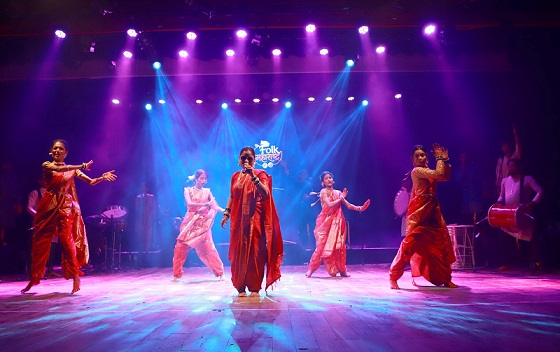
PIMPRI-CHINCHWAD : The rich folk heritage, traditional music and martial traditions of Maharashtra came alive through ‘Folk Maharashtra’, a vibrant cultural programme organised as part of the Classical Marathi Language Week being celebrated by the Pimpri-Chinchwad Municipal Corporation (PCMC).
The programme offered audiences a glimpse into Maharashtra’s folk culture through traditional singing, instrumental music and dance, highlighting the cultural traditions that have evolved through village fairs, festivals, religious celebrations and community life.
The event was organised under the guidance of PCMC Commissioner Dr. Vijay Suryawanshi and Additional Commissioner Vikrant Bagade, under the supervision of Special Officer and Marathi Language Coordination Officer Kiran Gaikwad. The Classical Marathi Language Week is being observed from October 3 to 9 to promote, preserve and spread the Marathi language and its cultural heritage.
‘Shivaji Raja Aala’ evokes the spirit of valour
The programme celebrated Maharashtra’s history of courage and self-respect through powerful folk songs. The energetic rendition of ‘Shivaji Raja Aala Re Majha’ evoked the valour of Chhatrapati Shivaji Maharaj, while ‘Amhi Gadya Dongarche Rahnar, Chakar Shivbache Honar’ brought alive memories of the Sahyadri and the warrior traditions associated with the Maratha era.
The powerful vocals, rhythmic beats and spirited presentation created an atmosphere of enthusiasm, blending historical memory with Maharashtra’s vibrant folk-art traditions.
Traditional instruments create a powerful musical experience
One of the major attractions was the presentation of traditional Maharashtra instruments, including sambal, tasha, halgi, dhol, dholki, flute, harmonium, taal, zanj, ghungroo, gajdhol, daf, chanda and shehnai.
The deep sound of the sambal, energetic beats of the halgi and tasha, and rhythmic chime of the ghungroo highlighted the distinctive character of Maharashtra’s folk music. The coordinated performance of the artistes added energy and authenticity to the presentation.
Folk traditions from ‘Ghatoli’ to ‘Gadi Ghungarachi’
Songs such as ‘Ghatoli’ and ‘Gadi Ghungarachi’ further showcased the close connection between folk music and everyday life in Maharashtra. The combination of singing, instrumental music and dance presented the diversity and vibrancy of the state’s folk traditions.
‘Folk Maharashtra’ thus became a celebration of Maharashtra’s cultural identity while introducing the younger generation to its traditional art forms. The programme also reinforced the role of folk arts in preserving the richness of the Marathi language and strengthening cultural awareness.